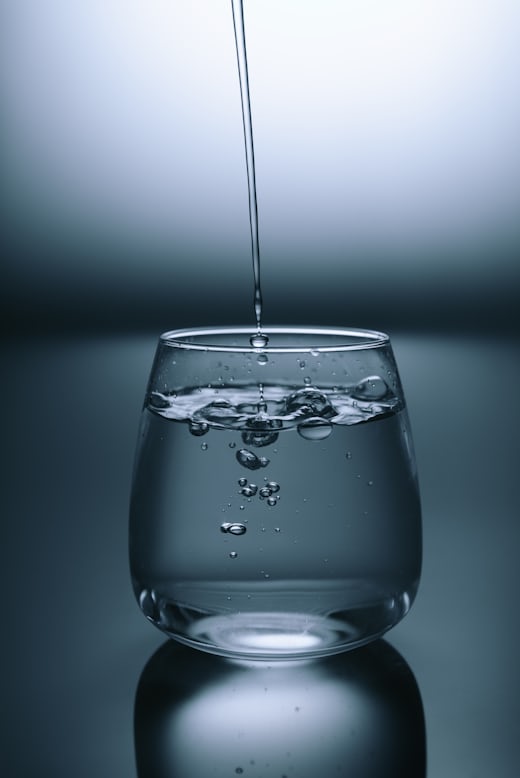
Why Hydration Matters
Water makes up approximately 50–80 % of body weight and plays roles in temperature regulation, nutrient transport, joint lubrication and waste removal. Published research indicates even mild dehydration — a loss of 1–2 % of body water — may impair concentration, mood and physical performance.
Adequate Intake Recommendations
Australian Nutrient Reference Values suggest these adequate intake (AI) levels for total water from all sources:
| Group | Total Water (L/day) | From Beverages (approx.) |
|---|---|---|
| Men 19–70 yrs | 3.4 | ~2.6 L (≈ 10 cups) |
| Women 19–70 yrs | 2.8 | ~2.1 L (≈ 8 cups) |
| Pregnant women | 3.1 | ~2.3 L |
| Breastfeeding women | 3.5 | ~2.6 L |
These are population estimates. Individual needs vary with body size, activity, climate and health. In hot Australian conditions or during intense exercise, requirements may increase substantially.
Hydration During Exercise
- Pre-exercise (2–3 hrs before): 400–600 mL water for absorption time.
- During: 150–250 mL every 15–20 min. Electrolyte drink may suit sessions over 60 min at high intensity.
- Post-exercise: Replace 1.25–1.5 L per 1 kg body weight lost. Weigh before and after to estimate.
Signs of Dehydration
- Dark urine (aim for pale straw colour)
- Infrequent urination
- Dry mouth or lips
- Fatigue or light-headedness
- Headache
- Reduced concentration or physical output
Beverage Comparison
| Beverage | Hydration | Notes |
|---|---|---|
| Plain water | Optimal | Zero kJ; most accessible |
| Tea / coffee | Good | Up to ~400 mg caffeine/day does not appear to cause significant dehydration |
| Fruit juice | Good | Vitamins present but high natural sugars; limit ~125 mL/day |
| Sports drinks | Situational | Useful for intense exercise > 60 min; unnecessary daily |
| Alcohol | Poor | Diuretic effect; pair with water |
Tips for Australian Climates
- Carry a reusable bottle throughout the day.
- Start each meal with a glass of water.
- Include water-rich foods: cucumber, watermelon, oranges, lettuce.
- In hot weather, increase intake proactively — don't wait for thirst.
- Monitor urine colour as a simple hydration indicator.
Disclaimer: General educational information. Individuals with kidney or heart conditions should consult their doctor about fluid intake. Over-hydration (hyponatraemia) is also a health risk during prolonged endurance events. Balance is key.